Unity Suites Tower
Tan Young Architect
Short description
The conceptual ‘Unity Suites Tower’ is located in the city centre of Kota Kinabalu, the state capital of Sabah – the second largest state in Malaysia with a population made up of non-indigenous group, non-Malaysian citizens, and 42 ethnic groups with over 200 sub-ethnic groups with separate own languages, cultures and belief systems.
Every year, more than approximate 3 millions of international and domestic visitors travel to Sabah, mostly for tourism purpose. With the site surrounded by commercial centre, retails, hotels and tourist attractions, the main goal of this conceptual project is to design a tourism related tower that could cater both international and domestic travelers. The conceptual ‘Unity Suites Tower’ aims to be an integrated development which comprises both residential and commercial components that unites serviced residence, offices and hotel in the tower.
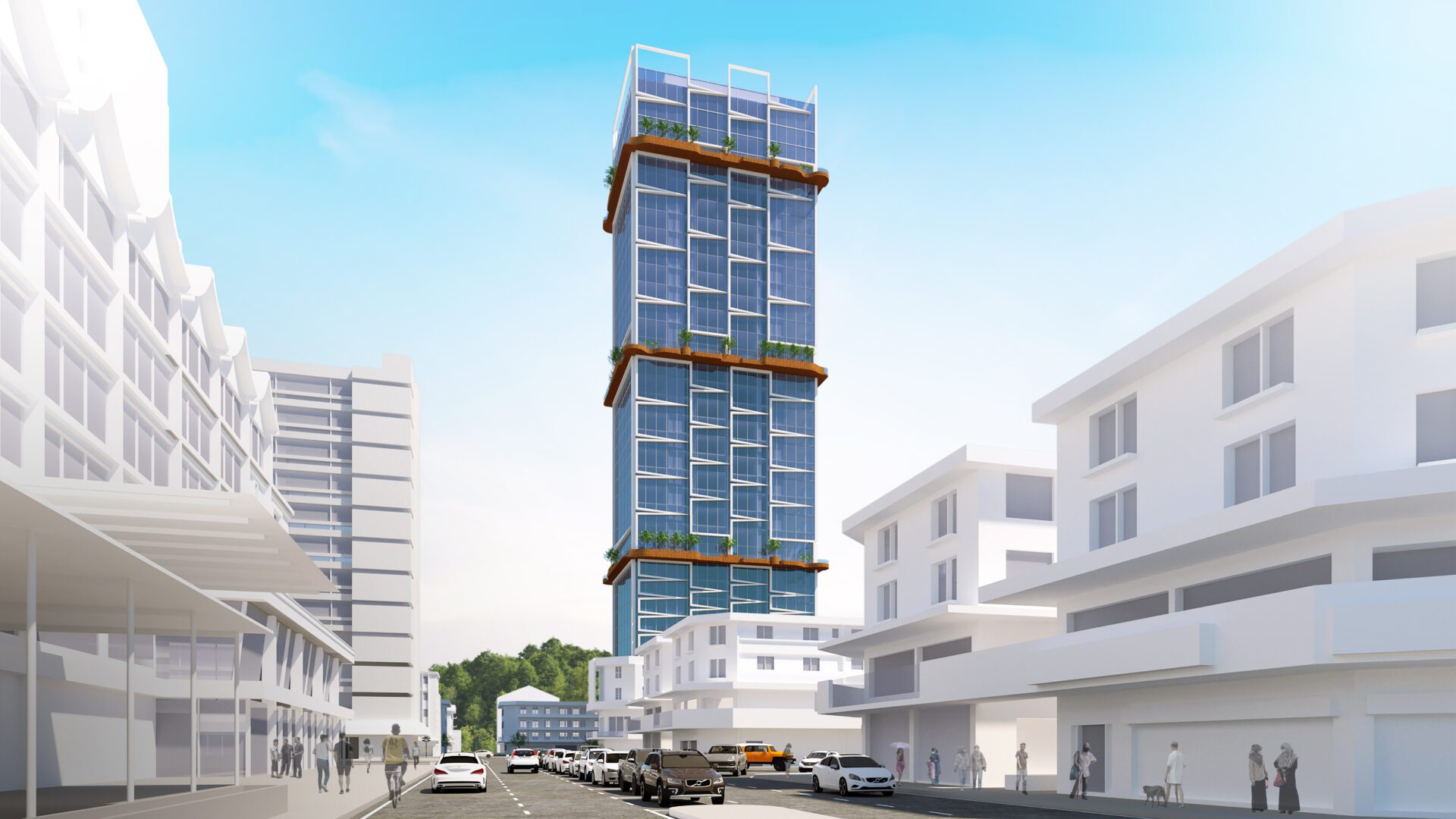
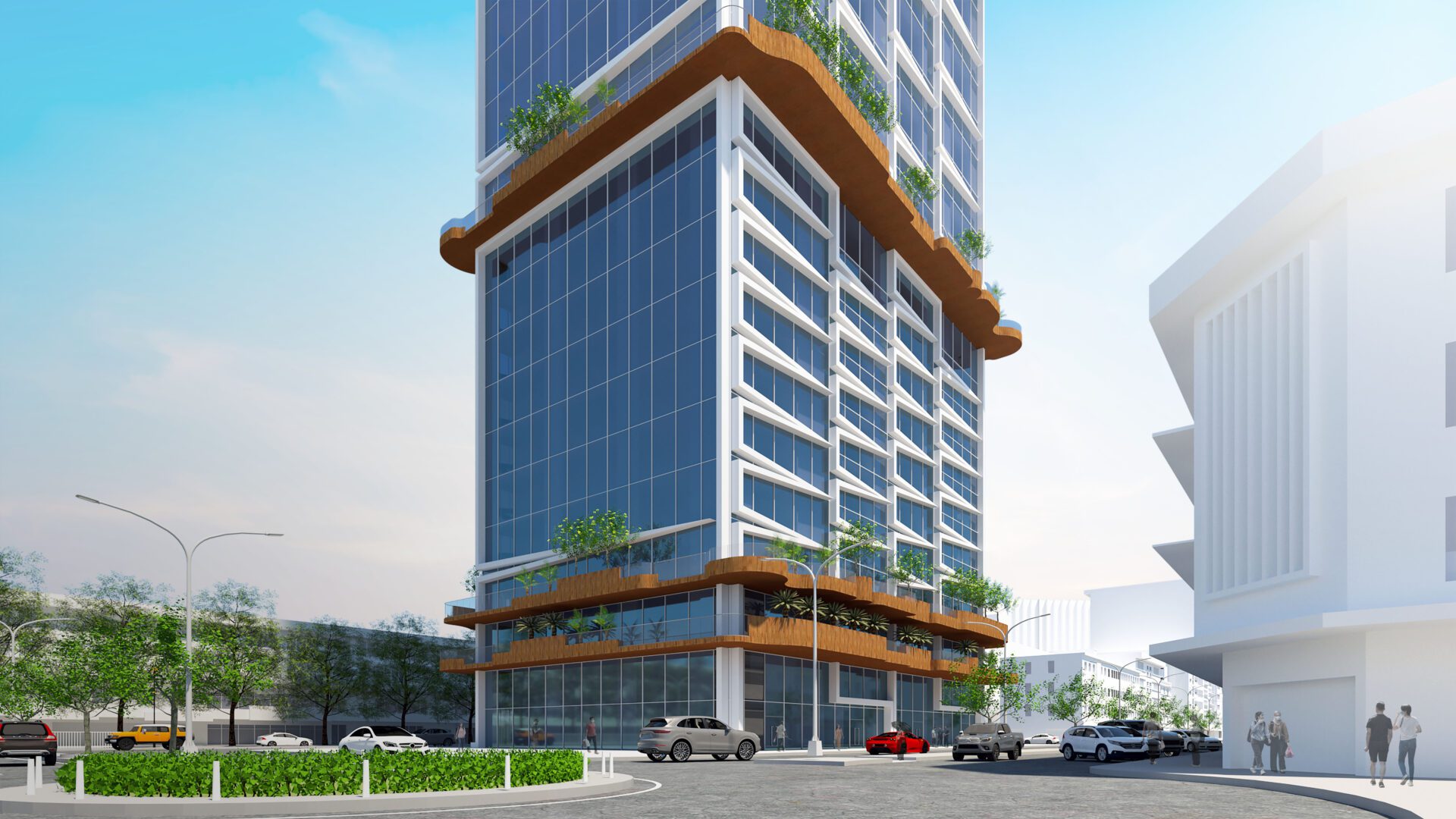
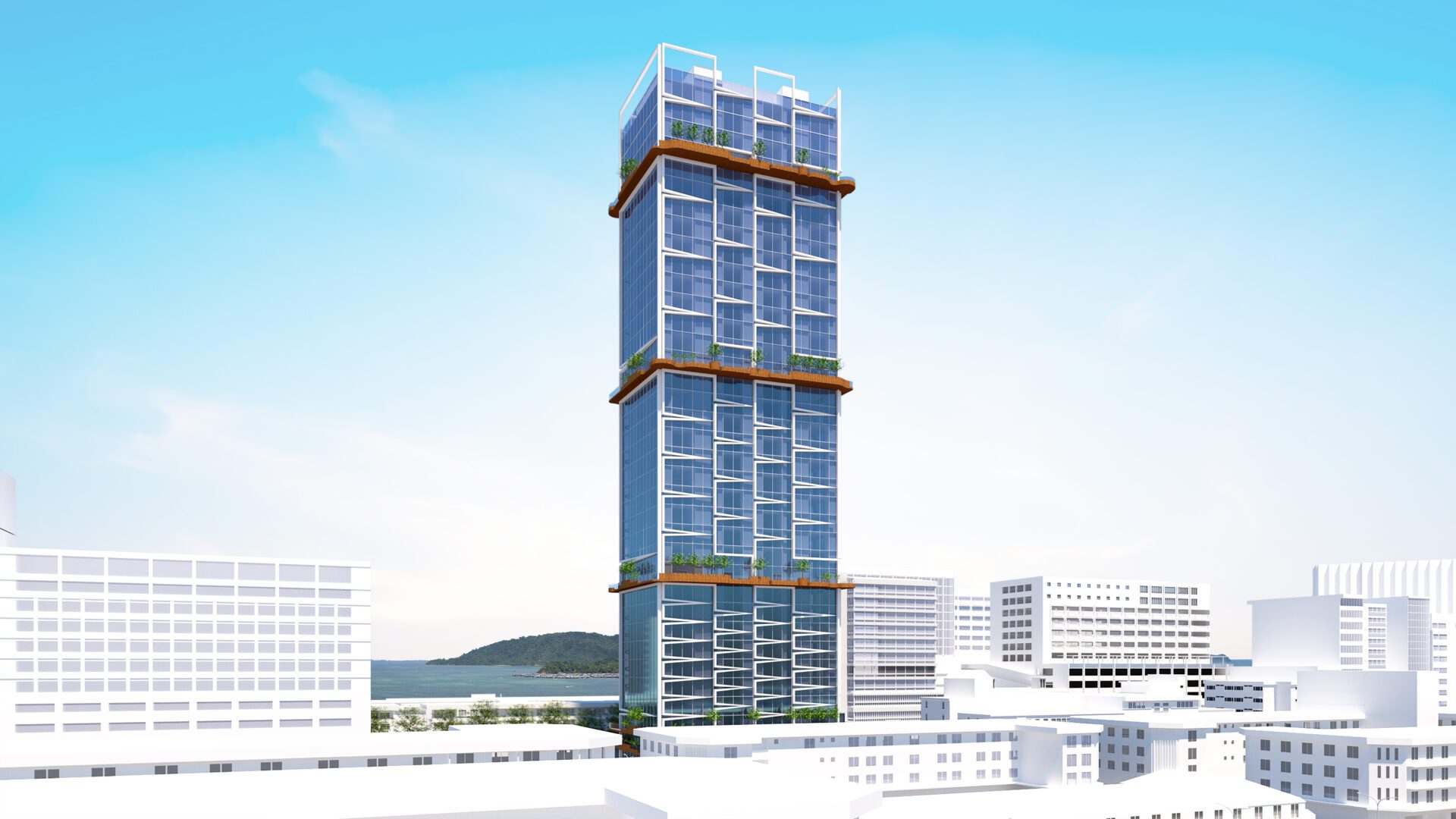
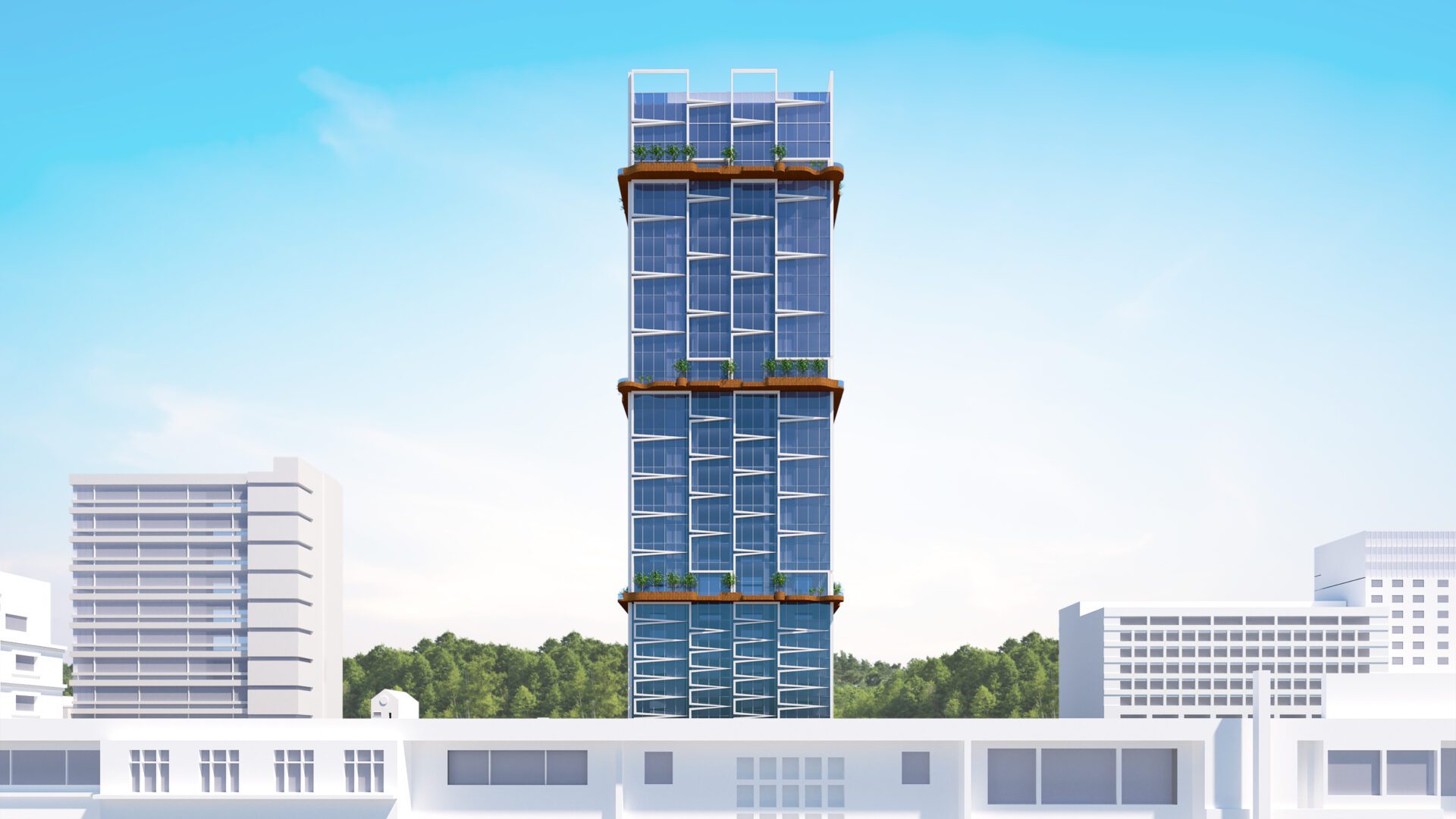
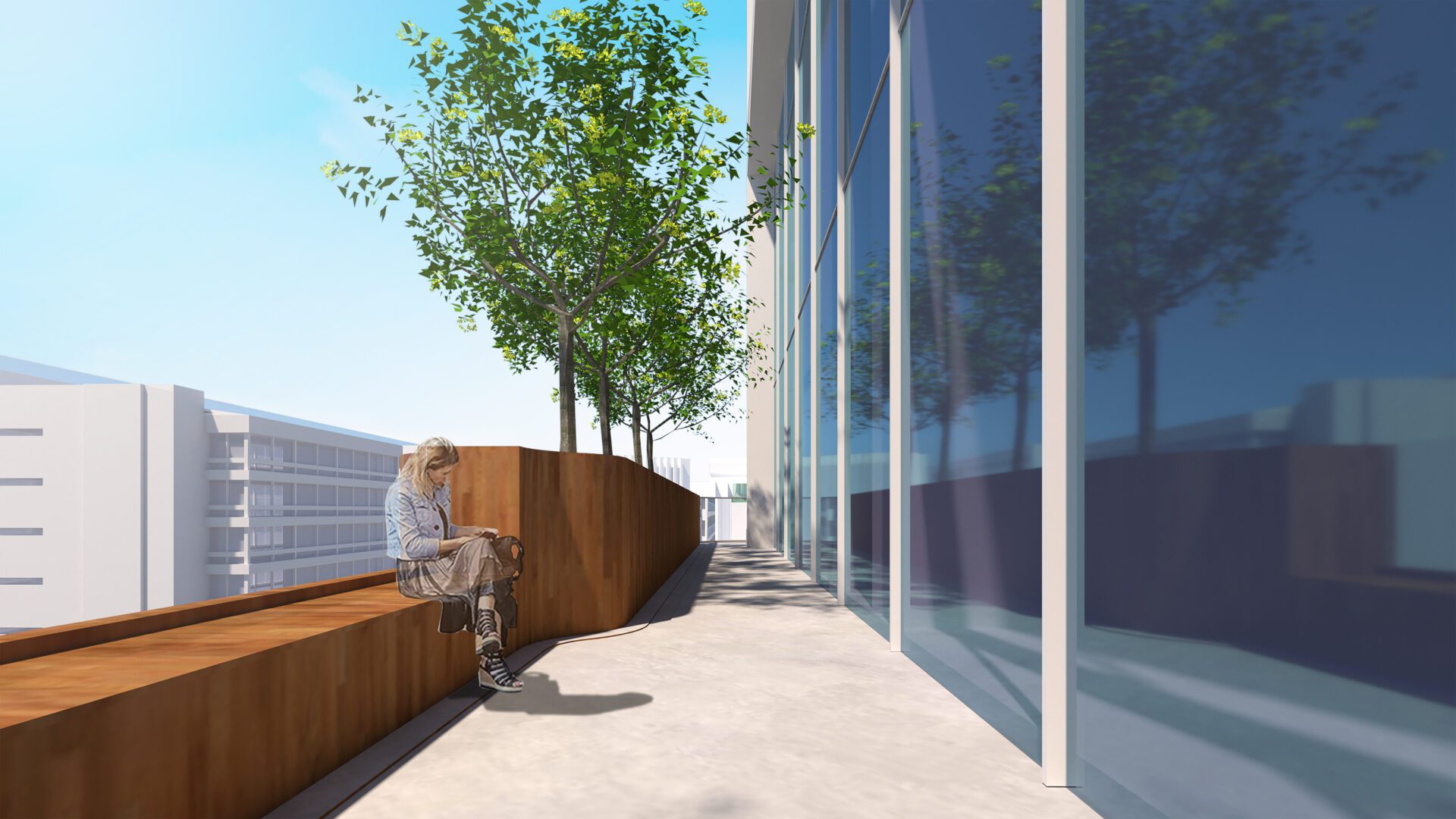
Overlooking the unobstructed view of the South China Sea, the conceptual ‘Unity Suites Tower’, which consists of 33 storeys, provides a range of different unit layouts comprising of bedrooms and bathrooms that come with premier ocean views. Apart from that, the conceptual tower also offers a variety of entertainment, facilities, and amenities, such as roof top bar, restaurants, observation deck, swimming pool, wading pool, children’s playground, terrace garden, spa centre, and more.
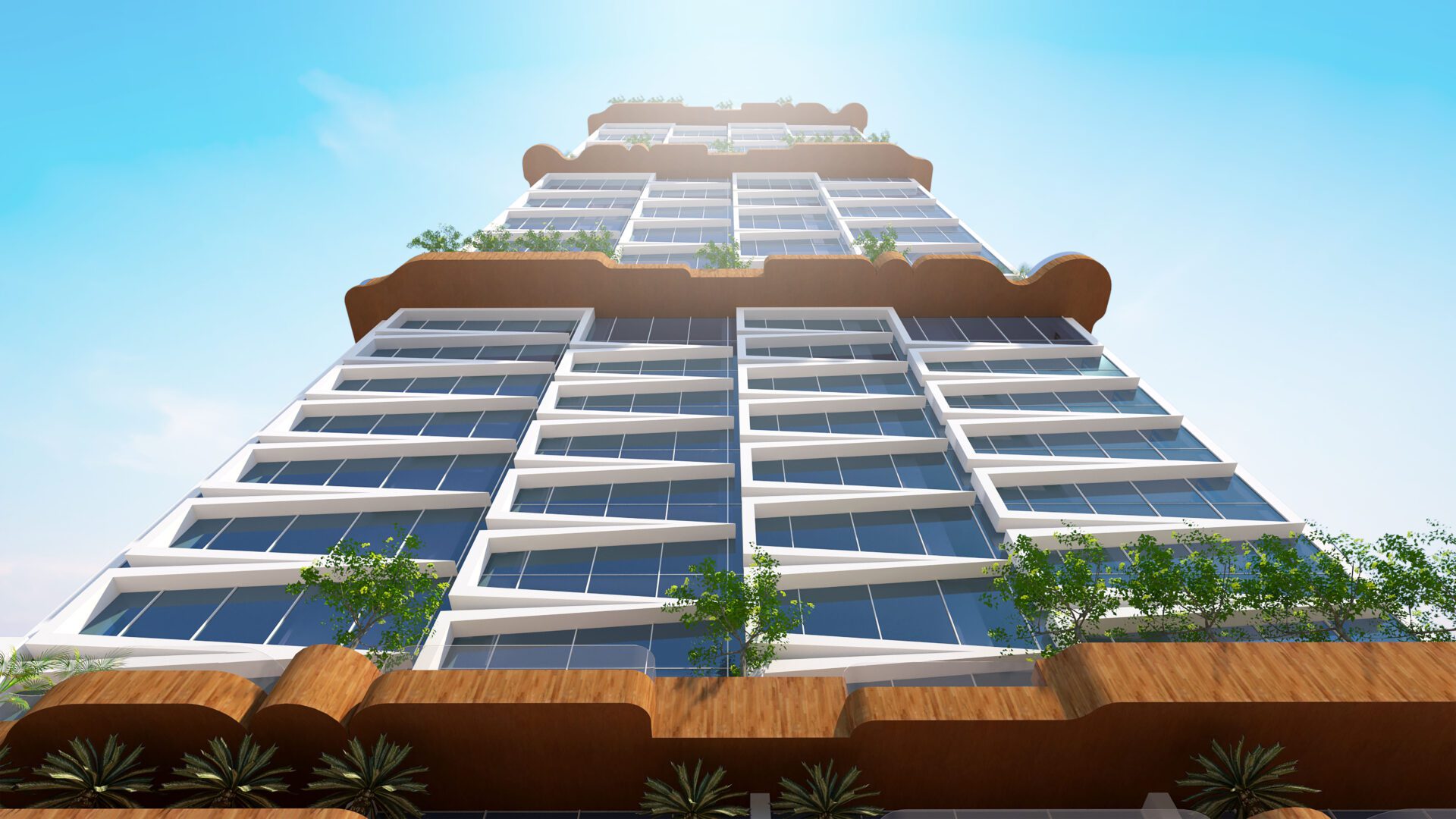
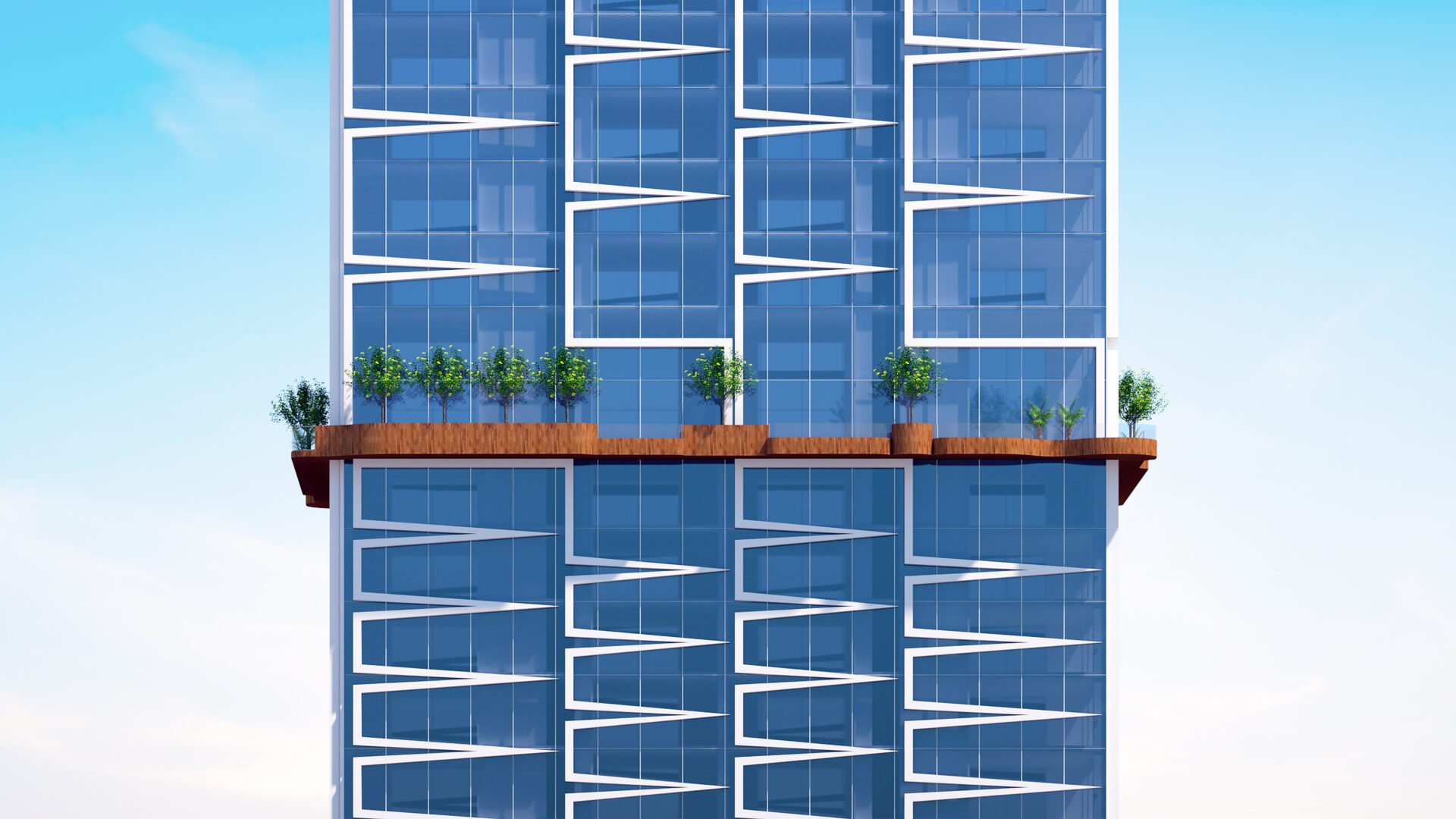
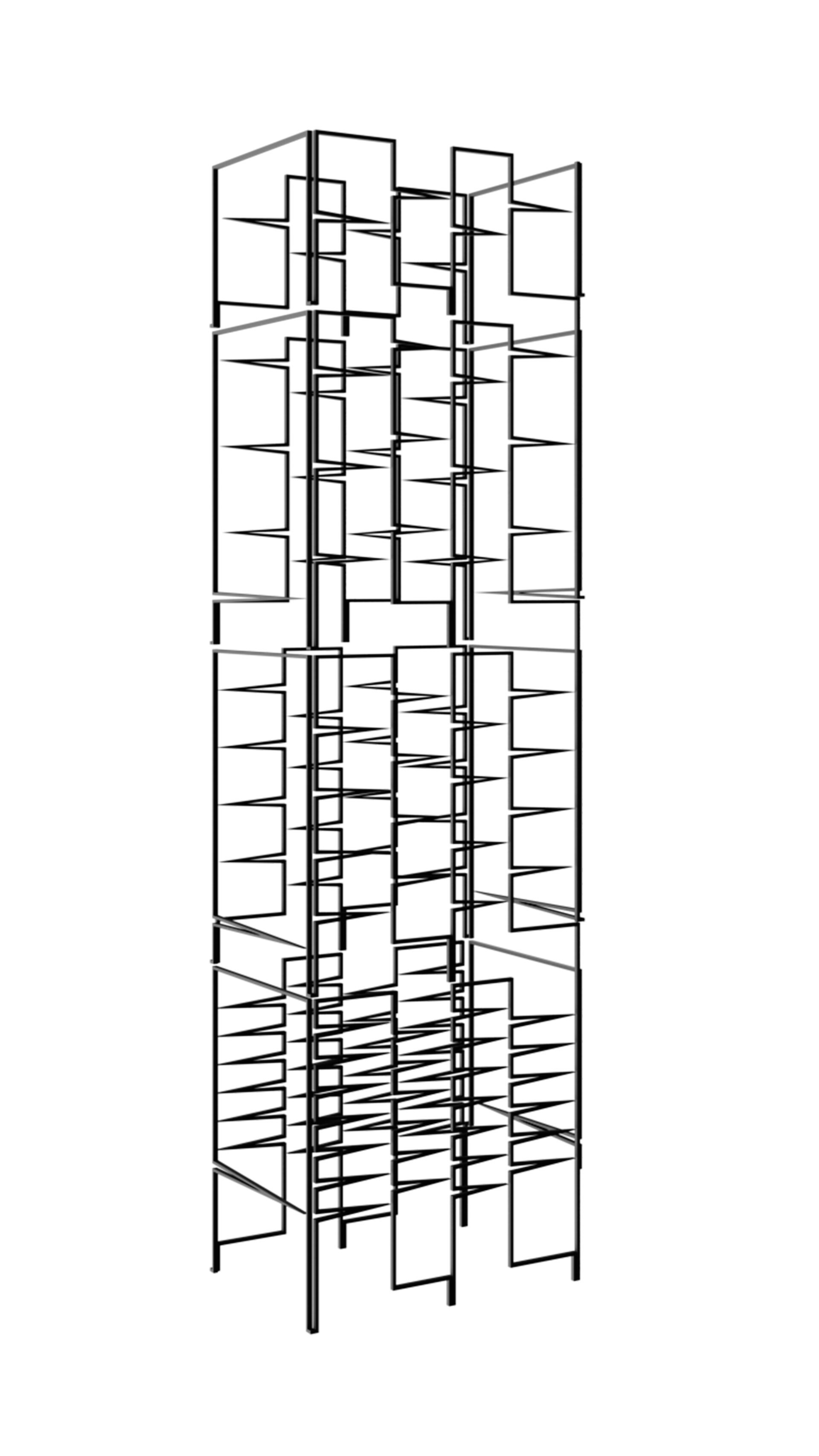
On the exterior, the simple rectangular building form covered with aluminium and glass curtain walls, is wrapped with an unique façade design. Inspired by the famous Pablo Picasso’s one-line art as far back as 1907, the building façade is created with a single unbroken and uninterrupted flowing line that aims to symbolize Sabah’s racial harmony and to promote peace and unity among people in the multi-racial society. By using Picasso’s drawing technique, the singular line façade also showcases the sharp edges found in various Sabah’s indigenous art patterns, to pay tribute and respect to the native community who firstly inhabited Sabah from the earliest times. The singular line façade does not only aim to build an authentic connection with people, but also to be an art form that demonstrates the way to simplify the complex world around people.
Entry details